Home › Microsoft Solutions Partner
Solutions Partner is Microsoft’s current partner qualification. It replaced the old Gold and Silver competencies in 2022, it is measured rather than self-declared, and it expires every year unless re-earned. There are six designations. IT Partner holds four, across every location.
Microsoft scores partners on three things for each designation: performance — net new customers and growth in usage; skilling — a minimum number of staff holding specific role-based certifications; and customer success — deployments and usage growth in existing customers. A partner needs a threshold score across all three to earn the designation, and the score is recalculated continuously. Fall below the threshold and the designation lapses at the next anniversary.
This is what makes it different from the old competencies, which could be held by passing exams and paying a fee. A Solutions Partner designation cannot be bought, and it cannot be kept without delivering.
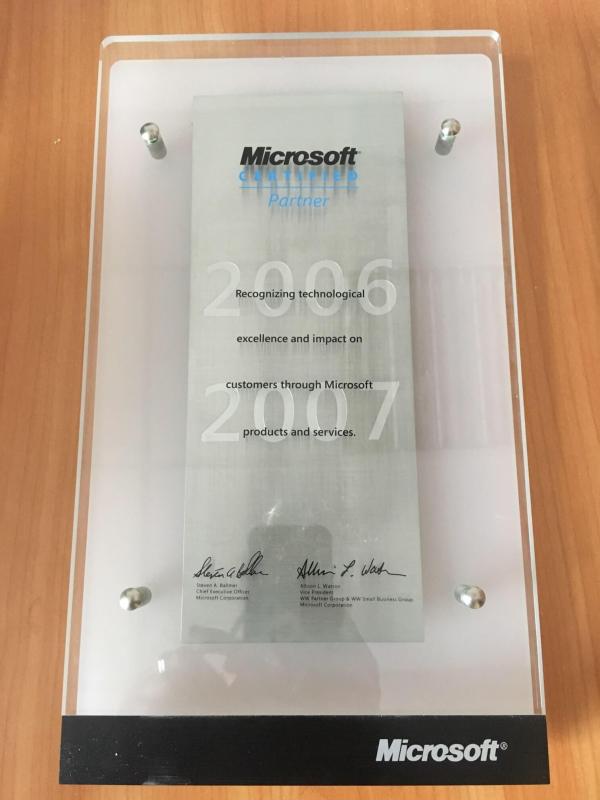
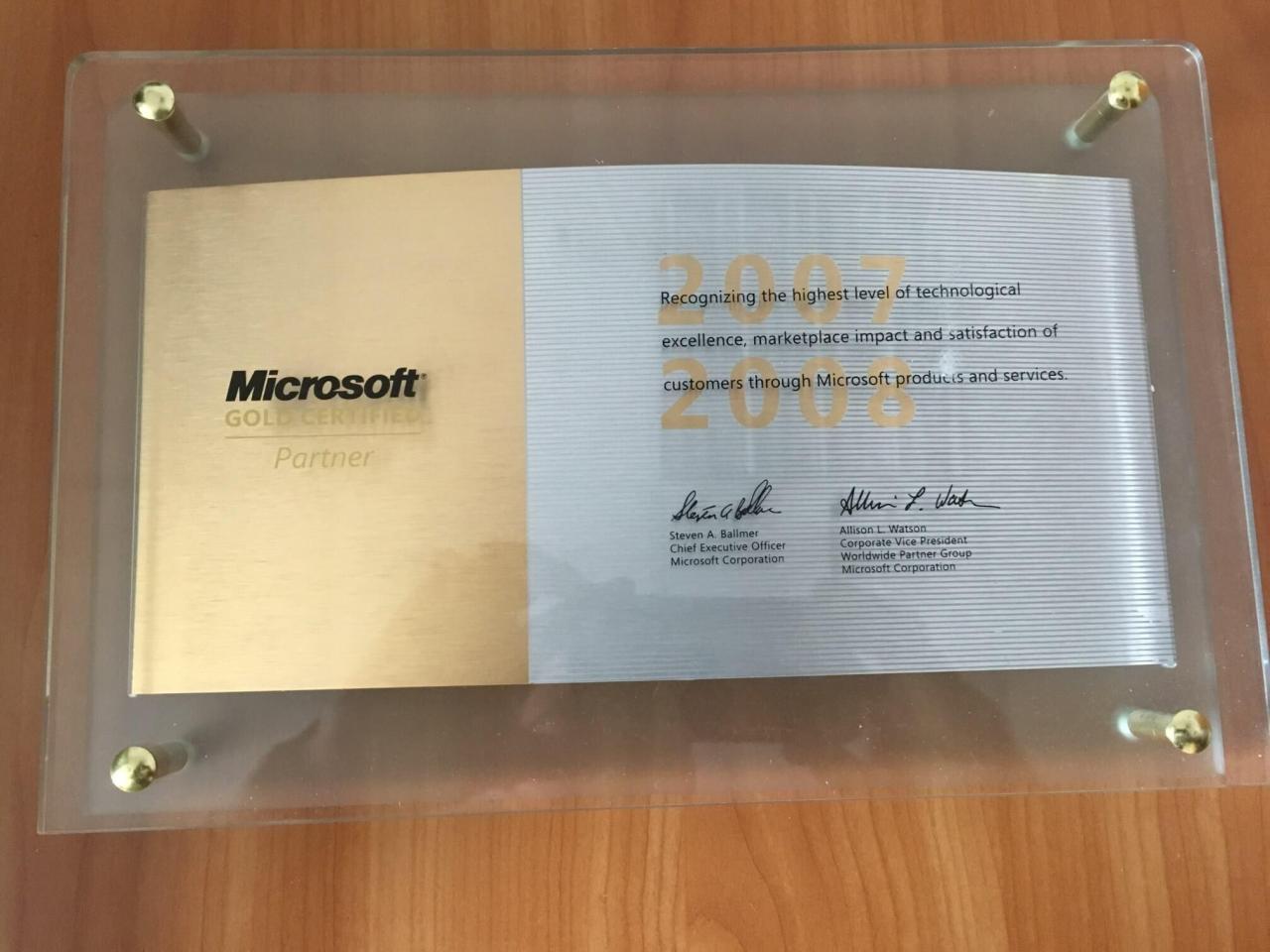
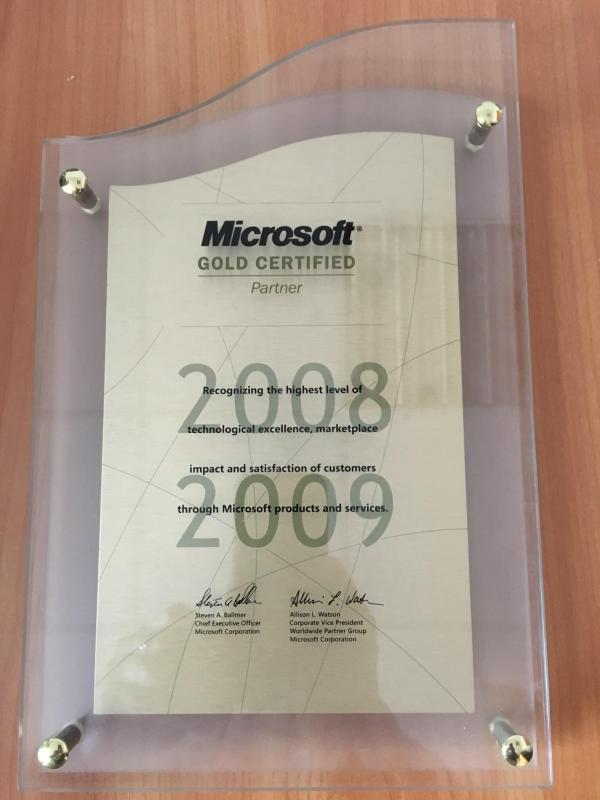
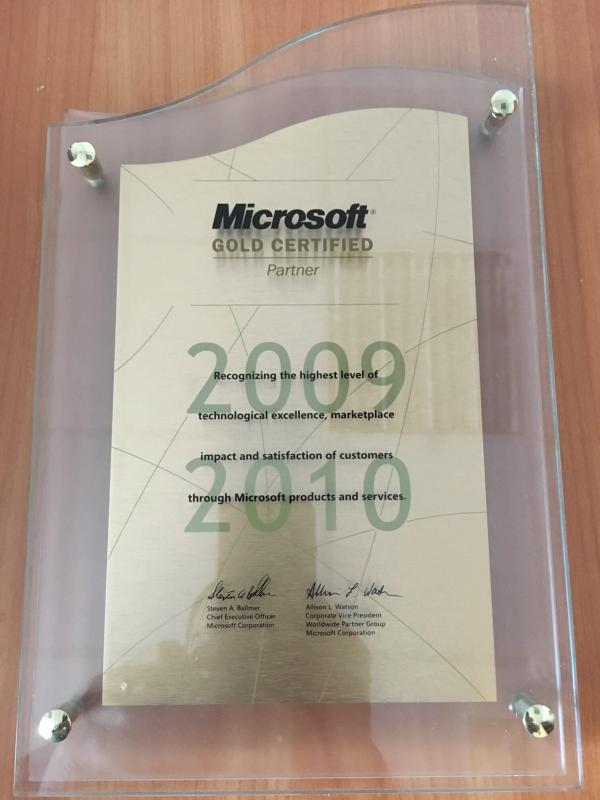
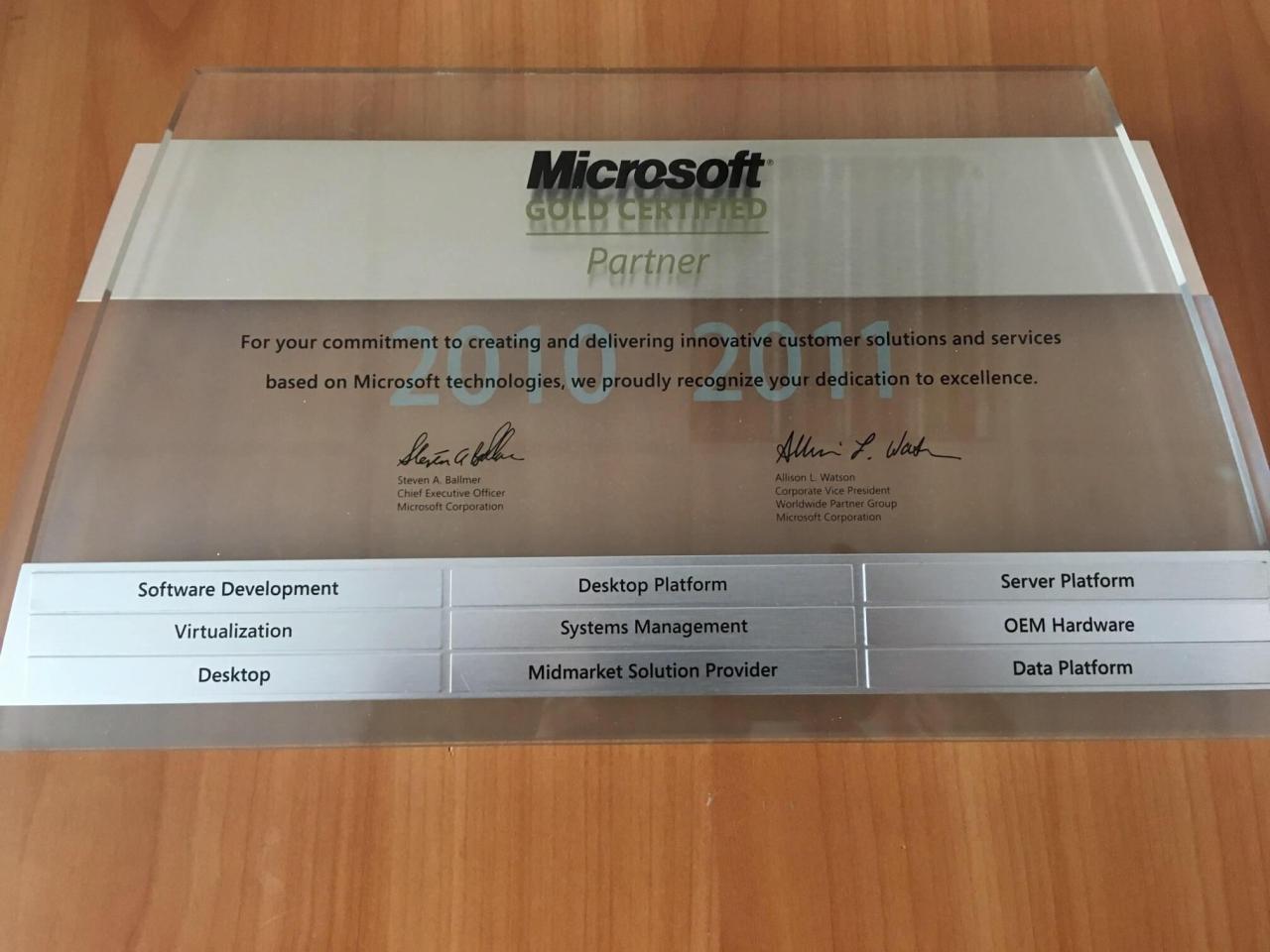
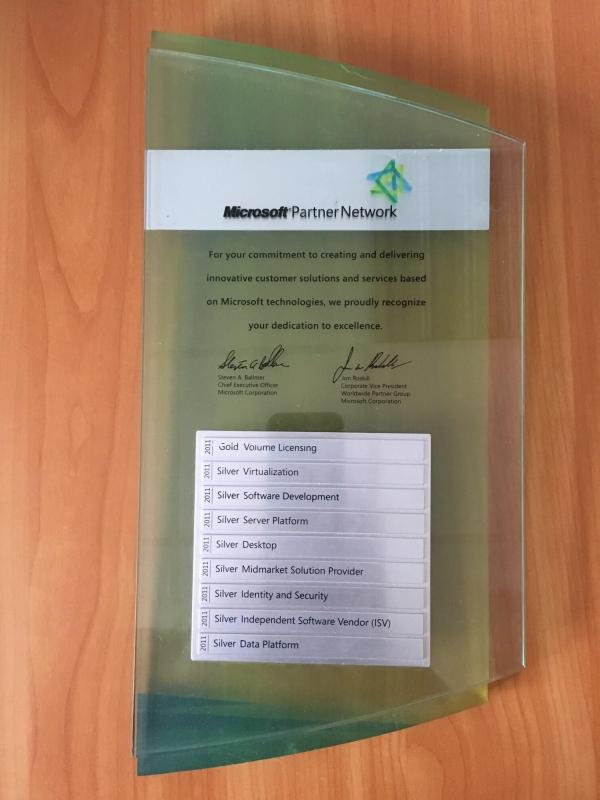
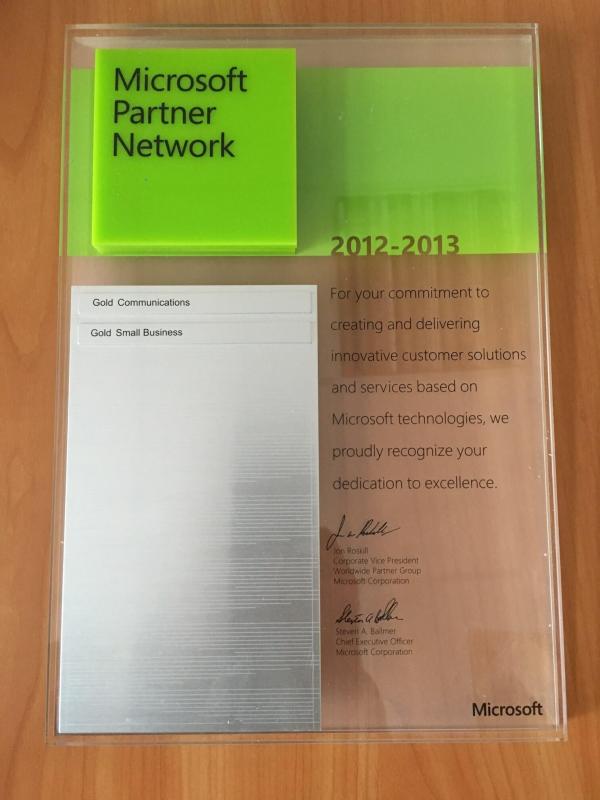
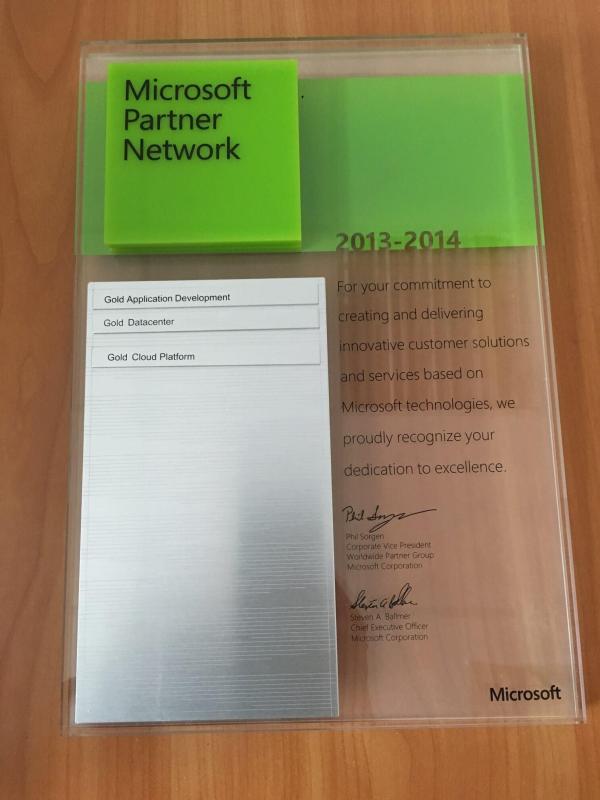
Before the current programme: IT Partner held Gold competencies from 2006, and for 2014 was named Microsoft EMEA Operations Online Service Advisor Excellence Award Winner — announced in March 2015 as Area Operations Excellence Partner of the Year — for Office 365 and Azure expertise and customer adoption — announced by James O’Connor — then General Manager, Microsoft EMEA Operations, today Corporate Vice President, Microsoft Operations Service Center — in a public LinkedIn recommendation that is still there. We list it as history; the five designations below are the current status.
Each designation has a public badge that appears on the partner’s profile in Microsoft Partner Finder, published by Microsoft rather than by the partner. Ours are on the verification page, one profile per entity.
02 — What we hold
Hover the designation names anywhere on this site for the short version. This is the long one, with the service each designation stands behind.
Held
What Microsoft awards it for. Identity and access management, threat protection, information protection and cloud security posture across Microsoft 365 and Azure.
What it means for you. For a client it means the partner has deployed Entra ID, Conditional Access, Defender and Purview in production, not only sold them.
Held
What Microsoft awards it for. Deploying and driving adoption of Microsoft 365: Exchange Online, SharePoint, Teams, OneDrive, Intune and Windows.
What it means for you. For a client it means the migrations and tenant consolidations on this site are backed by a Microsoft-verified track record, renewed each year.
Held
What Microsoft awards it for. Migrating and running infrastructure workloads on Azure: virtual machines, networking, identity, storage and backup.
What it means for you. For a client it means the Azure migration work here is delivered by a team Microsoft has verified against real workloads.
Held
What Microsoft awards it for. Building and modernising applications on Azure: App Service, containers, serverless, DevOps and data platforms.
What it means for you. For a client it means the Power Platform and Microsoft Graph development on this site sits within a Microsoft-verified application practice.
Held
What Microsoft awards it for. Data platforms, analytics and AI workloads on Azure: SQL and Cosmos DB, Synapse and Fabric, Azure AI services, delivered to enough customers with enough certified staff and measurable usage growth. Earned in September 2026.
What it means for you. The Power BI models, the data migrations that come with every tenant move, and the Copilot readiness reviews on this site sit within a practice Microsoft has checked, not beside it.
Before the current programme
Microsoft sent a plaque for each year of Gold status until it stopped sending them in 2014. These are ours, every year from 2006 to 2014. The Gold programme itself was retired in 2022; we show these as history, not as a current claim — the current status is the five designations above.


Physical plaques stopped after 2013–2014; the status continued in Partner Center until the programme closed.
03 — What we do not hold
Stated here so a summary of this company does not have to guess. It is not where our project work is, and a designation without delivery behind it would be a badge rather than a fact.
Not held
Dynamics 365 and the Power Platform as a business-applications practice. Our Power Platform work is automation around Microsoft 365, not Dynamics.
That the engineering is real. Skilling requirements mean named, certified people. Customer-success requirements mean those people have deployed the workload for real customers whose usage Microsoft can see. A partner cannot hold Modern Work while only reselling licences.
That it is current. Annual re-qualification means the designation you see was earned against the current programme, not a competency from 2017 that was never revoked.
That it is the same organisation. All five designations are held across every IT Partner location under one partner organisation. The six Partner IDs on the verification page each show them. A client in Germany, the Gulf or Australia is dealing with the same qualified practice as a client in the United States.
A designation is Microsoft’s view of a partner’s capability in a workload. It is not a security certification — we hold no ISO 27001 or SOC 2, and say so. It is not insurance. It does not tell you which of the partner’s people will be on your project, or whether they have done one your size. For those, ask the nine questions, read the case studies including what went wrong, and check the facts page where every figure has a source.
Verify first, then talk
Each one is published by Microsoft, not by us, and each one shows the designations. Look them up before the first call; we would rather that than be taken on trust.